
Ok that’s a bit of a leap, and I’ve clearly used it to grab your attention… but keep reading and you’ll realise how challenging it might be to actually stick to real food on this new diet craze.
I started out writing… “I’m not going to spend my usual few hours creating a big article with a dozen scientific references, I’m just going to point out a few things that you might find interesting, and honestly I’m just going to be blunt.”
Which is so funny because it’s now been 3 days and I’m re-reading this and laughing at my self…
Now just to preface this blog post, I’ve heard a bit about a new netflix documentary called Game Changers recently which has sparked this article, and I’ve stuck to critiquing the dietary suggestions and haven’t gone into the ethics of this way of eating (I will save this for another post as eating a vegetarian or vegan diet is not as good for the environment as you may think…) and last point – importantly, you can eat whatever you like and we can still be friends and I will still love you.
Ok here’s some points to consider:
POINT #1
Netflix documentaries are movies, made by a bunch of people with similar interests, with one of those interests being to profit from the production (regardless of their initial intentions and desires to help people).
I haven’t watched Game Changers, or What the Health, or any of those docos because when I want to know something I will go and scour the scientific literature, assess the studies and stack the results against each other.
Now I know not everyone has a science degree, not everyone knows how to look for studies, analyse for bias or measure whether a study has any merit or not…
However… if you ask a yoga teacher about your back pain, they’re going to tell you to do yoga.
I’m not saying there’s nothing in these documentaries that’s worth listening to, I’m just saying you have to go in to it knowing this is a biased presentation of evidence. Whether it’s right, wrong or half way in between, it will be biased just by its very nature. Once you know that then you can watch it, love it or leave it.
POINT #2
So plant based isn’t very clear to me. Vegan is clear – nothing from animals. Plant “based”… however?
So I went on to the Game Changers website to see if I could find some rules and after reading through I’m still not exactly sure…
Given that in the “core principles” section of the Game Changers Plant Based Diet website they state:
“Another consistent nutritional principle is that whole foods tend to be healthier than processed/refined foods…”
I’m struggling with the fact that so many of their substitution recommendations are highly processed, unnatural products.
Let’s take a look:
MILK:
“Almond, soy and coconut are the most commonly found plant milks, but there are now many more to choose from including rice, cashew, macadamia, oat, flax, pea and hemp.”
Check the labels of these processed products and you can often find a long list of ingredients such as these from Milk Lab’s Cafe Quality Almond Milk:
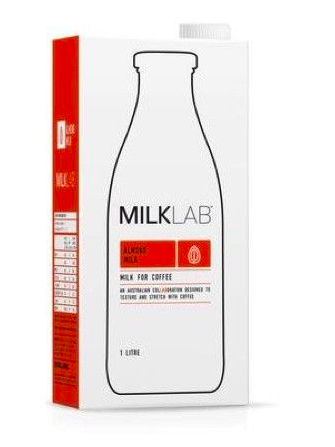
Ingredients: Australian Water, Almonds (3.5%), Sugar, Sunflower Oil, Maltodextrin (From Corn), Acidity Regulators (340, 332), Vegetable Gums (418, 415, 410), Sunflower Lecithin, Sea Salt.
As you can see – not just almonds and water. And actually quite expensive almond-y water.
My two cents: If tolerated, dairy provides a great source of readily available calcium and protein. Not everybody gets along with dairy and this depends on your ancestral lineage, disease and immune status and overall health. Dairy can absolutely be left out of a healthy diet as long as other calcium sources are included regularly.
EGGS:
“There are several options to replace eggs. Eggs in recipes can be replaced with mashed banana, unsweetened applesauce, silken tofu, chickpea flour (this works particularly well for omelettes and eggless scrambles), baking soda and vinegar and even canned pumpkin. Both flax and chia seeds can also be blended with water to create the consistency of raw egg white.”
I’m just going to pick one of eggs’ various nutrients for this example:
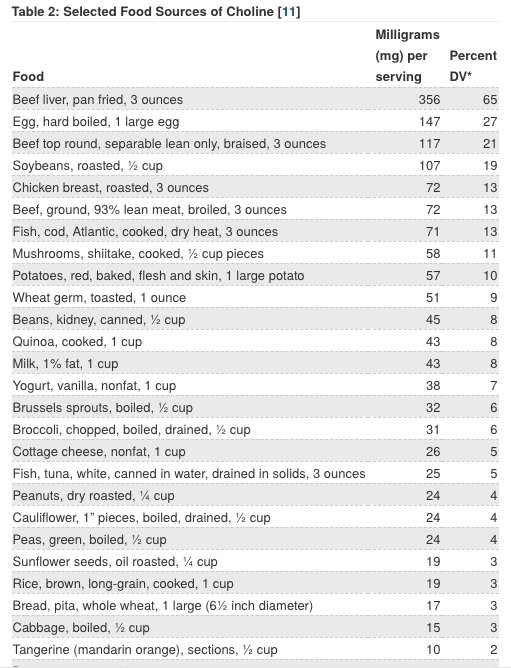
Did you know that eggs are one of the best ways to get choline into your diet? (unless you regularly eat liver that is)…
And that choline is important for all plant and animal cells to preserve their structural integrity, to produce acetylcholine, an neurotransmitter for memory, mood, muscle control, and other brain and nervous system functions and in modulating gene expression, cell membrane signalling, lipid transport and metabolism, and early brain development? …
It’s true – you can get choline from plants (you even make it in your body it’s that important – but you don’t make enough).
Yet take a look at how much plant matter you need to eat to get a good amount (also consider soy’s potential for hormonal influence and negative effects particularly in women).
Just a few examples of studies showing negative effects of soy intake:
>>> Conrad S and others. Soy formula complicates management of congenital hypothyroidism. Archives of Disease in Childhood 2004 Jan;89(1):37-40. Soy formula was found to increase the level of thyroid stimulating hormones in infants.
>>> Sun CL and others. Dietary soy and increased risk of bladder cancer: the Singapore Chinese Health Study. Cancer Epidemiol Biomarkers Prev. 2002 Dec;11(12):1674-7. People who consumed 92.5 grams of soy per 1000 Kcal were found to be 2.3 times more likely to be at risk for bladder cancer. The results were calculated to factor in levels of education and cigarette consumption in study participants.
>>> Fitzpatrick Mike. Soy Formulas and the effects of isoflavones on the thyroid. NZ Med J. 2000, 1131-1103 24-26. This study presents extensive information on the adverse effects of soy on thyroid function.
My two cents: Eggs are a fantastic source of highly digestible, complete (see below) protein and the yolks provide fat soluble vitamins like A, D, E and K that are essential for good immune function, eye health, bone density and more.
Further, with respect to the concern for cholesterol content, the US dietary guidelines have removed cholesterol from their ‘nutrients of concern’ and completely removed the recommended dietary limit of cholesterol consumption.
POP QUIZ: Do you know where most of our body’s cholesterol comes from?
Answer: It’s made in your liver. Dietary cholesterol has only a very small impact on your total cholesterol level AND if your diet is deficient in cholesterol, your clever body will just go and make some more.
BUTTER:
“Butter in recipes and for cooking can easily be replaced with plant-based butters, margarines, oils and sprays.”
Please no.
These alternatives are highly processed, heat treated and unstable – these products began as soap by-products and leftover waste oils from the cotton industry, are made from seeds and definitely not vegetables.
The name itself should make you wonder – what vegetables are full of oils? …
>>> “This systematic review and meta-analysis suggests relatively small or neutral overall associations of butter with mortality, CVD, and diabetes. These findings do not support a need for major emphasis in dietary guidelines on either increasing or decreasing butter consumption…”
>>> “During the period of rapid increase in heart disease (1920-1960), American consumption of animal fats declined but consumption of hydrogenated and industrially processed vegetable fats increased dramatically.” (USDA-HNI) Weston A Price Foundation
My two cents: Pass the butter please.
MEAT:
“The range of meat substitutes, both store-bought and home-made, are nearly limitless. While plant-based meats can range from healthy to healthier, many recipes work well with whole foods like tofu, tempeh, lentils and beans. Additionally, since the vast majority of the population are not gluten-intolerant, seitan (a wheat protein product) is also a great option.”
Ok, a couple of points here – first, protein is much harder to get from plants and does not contain all essential amino acids which is why it’s recommended to eat a combination of plant sources at one meal to make sure you get them all e.g. rice and beans.
As a side note and very important for menstruating women, iron in plants is non-heme iron and is not well absorbed compared to heme-iron found in animal foods.
Second, if you can eat a plate of beans, lentils and chickpeas, and not experience bloating and stomach pains, or even a load of nuts and not have issues with your poo poos… then perhaps you are in fact more suited to eating a plant based diet.
But just as nature intended, these parts of the plants are hard to digest (it’s their own defence system against excess predation).
Most traditional cultures who consumed legumes, nuts and grains, soaked them, fermented them, cooked them twice… they did everything possible to break down and reduce the coatings that not only prevent their absorption but also contain ‘anti-nutrients’ that bind minerals like iron, magnesium and zinc leaving us with even less of these important micronutrients (assuming we’re not consuming animal products like meat.)
If you suffer from any of the above gut issues, or if you’re constantly tired, low in energy or your immune system is pretty poor – then you might need to consider whether you are iron and/or Vitamin B12 deficient.
Not to mention the myriad of other nutrients found primarily in animal foods, many affecting brain function, mental health, fertility, immunity…
One randomised controlled trial found that six weeks of creatine supplementation significantly improved vegetarians’ performance on intelligence and memory tests.
Sure you can take a creatine supplement (as creatine is largely found in animal foods., and many body builders and athletes do take it to improve physical performance), however:
“Long-term supplementation with creatine has yet to be
declared truly safe, with reported effects on glucose
homeostasis (Rooney et al. 2003) and other side effects
(Terjung et al. 2000).”
And is red meat as bad as it’s made out to be?
Well despite being a quality source of bioavailable protein, iron and other nutrients, this 10-year study of 120,852 men and women found that:
>>> “Red meat (unprocessed) intake was not associated with overall and cause-specific mortality.”
My two cents: You don’t have to go crazy eating meat at every meal, but it offers a lot of nutrients that are hard to get elsewhere and much of the hype around how bad it is for you is crap.
FISH:
“While store-bought fish substitutes are fairly new to the market, there are many home-made recipes that imitate the taste and texture of various types of fish. Various types of seaweed, including nori, kombu, and wakame, can also be used to make dishes taste ‘fishy’.”
Including fish and seafood in your diet is actually a pretty sure-fire way to improve your life expectancy (unless you’re anaphylactic of course) and most nutritionists and dieticians actually agree on this one.
>>> “Compared with never consumers, consumption of 60 g of fish per day was associated with a 12% reduction (RR=0.88, 95% CI: 0.83, 0.93) in risk of total death.”
EATING OUT:
OK this part is just for a laugh!
“…most restaurants will be more than happy to accommodate you if you request a plant-based meal, even if they don’t have one on the menu. Many chefs love the challenge and the meals they create on the fly sometimes even become new menu items…”
Hmmm….
It is my experience, having worked in numerous restaurants and cafes throughout school and university, that most chefs ABSOLUTELY DO NOT love creating new dishes for you on the fly and wait staff absolutely do not like having to request different meals knowing the tirade of profanity they will endure just for asking!
I know I’m generalising, but if you’ve worked in a busy kitchen with a firey chef before then I’m sure you’re nodding your head right now in agreement!!
Ok that was a big section, time for
POINT #3
“Making matters worse, animal foods are incredibly low in anti-inflammatory constituents”
This is an inaccurate blanket statement. If this were true it would be time to throw out your fish oil capsules – you know, the stuff you and half the Western world have been taking to reduce inflammation.
Our modern Western diets are much higher in omega 6 (pro-inflammatory) fatty acids than they used to be.
Why? Largely due to industrial seed… I mean ‘vegetable’ oils full of those ‘healthy’ polyunsaturated fats in the cooking oils we’ll been told are better for us.
Here’s the thing…
Humans have been eating animals and saturated fat (SF) for over 2 million years and only been scoffing the polyunsaturated fats (PUFAs) since the early 1900s .
In fact if you’d like to read the incredible story of how vegetable oil replaced lard in what was known as “porkopolis” (Cinncinati, US) read the story of the beginnings of Proctor & Gamble here: https://www.theatlantic.com/health/archive/2012/04/how-vegetable-oils-replaced-animal-fats-in-the-american-diet/256155/
The issue with these seed or vegetable oils is that they are so much cheaper than olive oil or animal fat.
So even if you remove canola oil from your cupboard (which you should by the way) and replace it with olive oil and coconut oil, every time you eat a processed food or eat out at a restaurant, you are likely consuming oils high in polyunsaturated fats and omega 6 fatty acids.
Then there’s plant based healthy alternatives at the supermarket… Most contain a few problem ingredients including:
- Soy protein (see above with potential issues with soy)
- Seed oils
- Sugars
- Additives and preservatives
Let’s take a look at a few options:
Made With Plants Plant-based Meatloaf With Glaze 500g
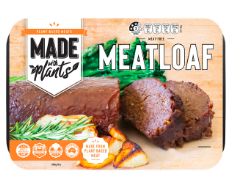
Ingredients: Plant-based Meatloaf (80%) [Water, Textured Soy Protein (25%) (Defatted Soy Flour, Colour (Caramel I), Defatted Canola Oil, Cocoa Butter, Yeast Extract, Potato, Mushroom, Leak, Tomato, Thickener (Methylcellulose), Stabiliser (Guar Gum), Corn Starch, Salt, Spices)], Glaze (20%) [Concentrated Tomatoes (contains 181g of tomatoes per 100ml), Sugar, Water, Salt, Thickeners (Cornflour (from Wheat), Pectin), Food Acids (Acetic, Citric), Glucose Syrup, Colour (Caramel III), Concentrated Vinegar, Naturally Brewed Cider Vinegar, Tamarind Paste, Yeast Extract, Apple Extract, Clove, Nutmeg, Onion, Pepper, Garlic, Spice & Herb Extracts, Spices].
Veef Plant Based Burger Patties 226g
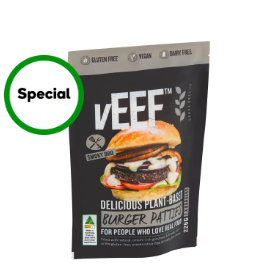
Ingredients: Water, Textured Vegetable Protein (25%) (Defatted Soy Flour, Caramel Colour 150A), Canola Oil, Cocoa Butter, Yeast Extract, Thickener (Methylcellulose), Smoked Flavour, Salt, Stabiliser (Guar Gum), Spices.
Tofurky Ham Style Deli Slices 156g
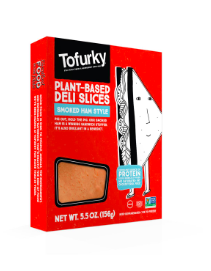
Ingredients: Water, Textured Vegetable Protein (25%) (Defatted Soy Flour, Caramel Colour 150A), Canola Oil, Cocoa Butter, Yeast Extract, Thickener (Methylcellulose), Smoked Flavour, Salt, Stabiliser (Guar Gum), Spices
There are certainly some products that are better than others, but my argument is that if you look at the ingredients on a carton of eggs you’ll see ‘eggs’. Or a rump steak you’ll see ‘beef’. This is just real food.
To speak to the issue of saturated fats a little further, here’s the conclusion from a group of doctors and scientists in a paper in the Mayo Clinic Proceedings:
“The benefits of replacing SFAs (saturated) with PUFAs (polyunsaturated) are questionable. There is no evidence that a lower intake of SFA can prevent CVD (cardiovascular disease) and a high intake of PUFAs without specification may result in a high intake of omega-6, which is associated with many adverse health effects. Because there is much evidence that saturated fat may even be beneficial, we urge the American Heart Association, the American Diabetes Association, and the National Institute of Clinical Excellence to consider the aforementioned evidence when updating their future guidelines.”
And a random but interesting consideration: Traditional Inuit peoples consume a diet that is around 80% fat!
They eat very little plant matter and most of their carbohydrate intake (which is very low) comes from stored glycogen in the livers of the large marine mammals they eat.
Yet they have very low rates of heart disease and diabetes. Cool huh?
Unfortunately as the availability of Western food products increases, rates of these modern chronic diseases are also increasing: “The rise in sugar intake paralleled the rise in heart disease in the Greenland Eskimo.”
So if that’s the case… how are studies finding vegetarian diets are healthier (like the one below) not true?:
“researchers studying lapsed vegetarians found that those who started eating meat at least once a week experienced more than double the increase in odds of heart disease, stroke, and diabetes, triple the increase for weight gain, and an associated 3.6-year drop in life expectancy.”
The problems with nutritional research
Well without looking at the study in question I can’t tell you if they looked at a large number of people or just a handful, if they followed them for years to measure life expectancy outcomes as they actually happened or if they took blood tests after a few months and used some way of guessing how long they expected them to live. I also don’t know if they adjusted for other factors like smoking, drinking and exercise.
What I can tell you though is that nutritional science is often fantastically hard to get the truth from because unless you lock people up and feed them exactly what you want them to eat over a number of years, you’re relying on people to eat exactly what you tell them voluntarily… AND report that accurately.
If you’ve ever had to fess up to a trainer or nutritionist you’ll know it can be pretty easy to massage the truth, and also very hard to remember what you had for lunch on Tuesday last week.
It’s also super challenging to say ‘this causes that’ when it comes to food. Most of the time we can only say ‘when this happens, it’s also more likely that this will happen too. ‘ (Causation vs correlation)
Then there’s the ‘healthy user bias’. Meaning that most people take up a vegetarian (or plant based) diet for health reasons. Meaning they’ve likely decided to exercise more, eating less crap overall, shop at the health food store, maybe take a multivitamin and are generally conscious of looking after themselves.
And when they ‘lapse‘ as the report put it, everything else tends to lapse as well, just like falling off the wagon of any diet – meaning caring less about nutrition in general, slacking off at the gym and rejoicing that it’s Sunday and so they can finally get a Bunnings sausage.
MY FINAL TWO CENTS: Real food comes from nature… and nature always wins… Just go back to basics and eat real food.
—–
Do you struggle with choosing healthy snacks?
Yep, my clients did too.
That’s why I created my Ultimate Snack Guide – and you can download it right now – for free!
Ultimate Snack Guide FREE Download

Kelly Moriarty is an online health & nutrition coach and founder of The Green Body Plan.
After 5 years as a veterinarian Kelly was unhealthy, stressed out and generally dissatisfied.
She now helps professional women make the same changes she did to beat burn out, lose weight, recover their energy and take back control of their health naturally.
References:
https://www.ncbi.nlm.nih.gov/books/NBK53557/
https://www.mayoclinicproceedings.org/article/S0025-6196(13)01004-5/pdf
https://chriskresser.com/how-industrial-seed-oils-are-making-us-sick/
https://www.ncbi.nlm.nih.gov/pmc/articles/PMC4927102/
https://www.ncbi.nlm.nih.gov/pubmed/30673923
https://www.ncbi.nlm.nih.gov/pmc/articles/PMC1691485/pdf/14561278.pdf
 kellyannmoriarty.com
Great post 😊
Thank you 🙏🏽
Thank you! I had just heard about ‘Game Changers’ and thought ‘oh no more conflicting messages’!
I wanted to get some intelligent feedback – And I just got it 😊